
In an era of rapid globalization and industrial growth, the demand for effective accommodation solutions for transient workers has never been greater. Labor camps play a crucial role in providing housing for workers in industries such as construction, mining, and agriculture. However, traditional labor camp solutions often fall short in terms of comfort, sustainability, and adaptability. Prefabricated houses have emerged as a transformative solution, offering numerous benefits that enhance the living conditions of workers. This article explores the various advantages of prefabricated houses in labor camps, focusing on efficiency, sustainability, and worker welfare.
Understanding Labor Camps
The Role of Labor Camps
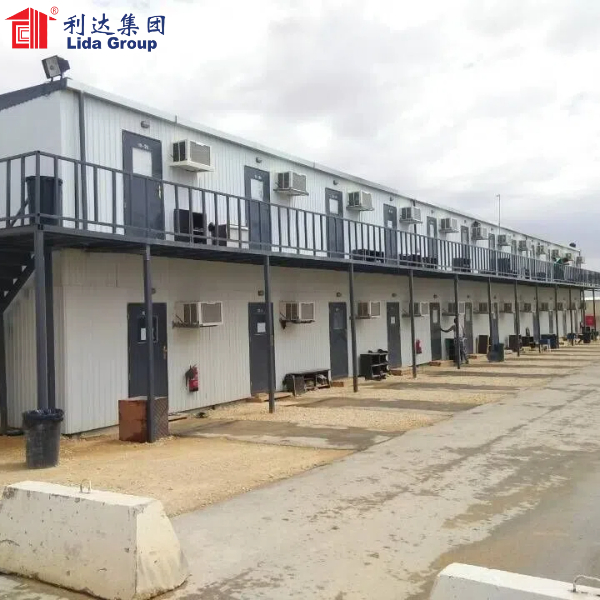
Labor camps serve as temporary housing for workers who are required to relocate for extended periods due to job assignments. These facilities provide essential services, including shelter, food, sanitation, and recreational areas. The quality of living arrangements in labor camps significantly affects worker morale, productivity, and overall job satisfaction.
Common Challenges in Traditional Labor Camps
Traditional labor camps have faced various challenges, including:
- Inflexibility: Many conventional labor camps are constructed as permanent structures, making it difficult to adapt to changing workforce sizes or project requirements.
- Poor Living Conditions: Substandard facilities can lead to inadequate living conditions, negatively impacting workers’ health and morale.
- Environmental Concerns: Conventional construction methods can generate significant waste and contribute to a larger carbon footprint, raising sustainability issues.
- High Costs: Traditional construction can be expensive and time-consuming, leading to delays in providing necessary housing for workers.
- Limited Customization: Many existing labor camps offer limited options for customization, making it challenging to create living spaces that cater to the unique needs of different workforces.
The Rise of Prefabricated Houses
What Are Prefabricated Houses?
Prefabricated houses, or prefab homes, are structures manufactured off-site in a controlled environment and then transported to the construction site for assembly. These homes can be tailored to meet specific needs, making them ideal for labor camps requiring flexibility and efficiency. Key characteristics of prefabricated houses include:
- Modular Design: Prefabricated homes are designed to be modular, allowing for various configurations to accommodate different workforce sizes and needs.
- Sustainability: Many prefab houses are built using eco-friendly materials and energy-efficient designs, reducing their overall environmental impact.
- Rapid Deployment: The off-site manufacturing process allows for quick assembly on-site, significantly reducing the time required to establish labor camps.
Benefits of Prefabricated Houses in Labor Camps
1. Flexibility and Adaptability
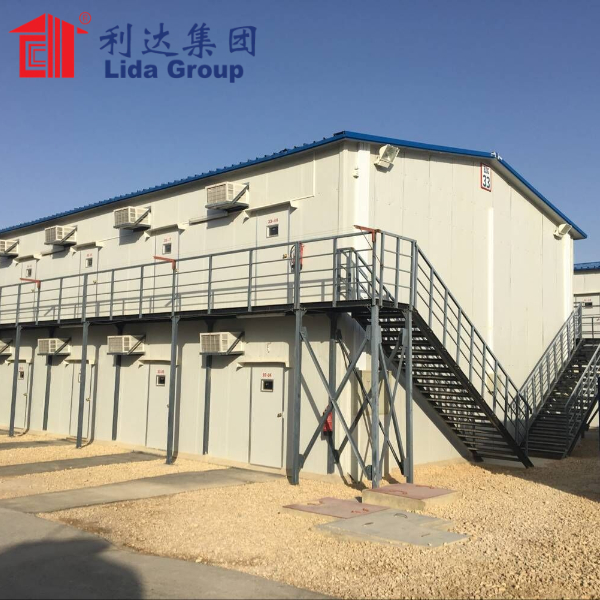
One of the most significant advantages of prefabricated houses is their flexibility. These structures can be easily modified or expanded to meet changing project demands. As workforce sizes fluctuate, companies can quickly add or remove units, ensuring that living accommodations align with current needs. This adaptability is especially beneficial in industries where project requirements can change rapidly.
2. Cost-Effectiveness
While the initial investment in prefabricated housing may be higher than traditional methods, the long-term savings often outweigh these costs. Prefab houses reduce construction time and labor expenses, allowing companies to allocate resources more efficiently. Additionally, the durability of prefabricated materials often leads to lower maintenance costs over time.
3. Speed of Construction
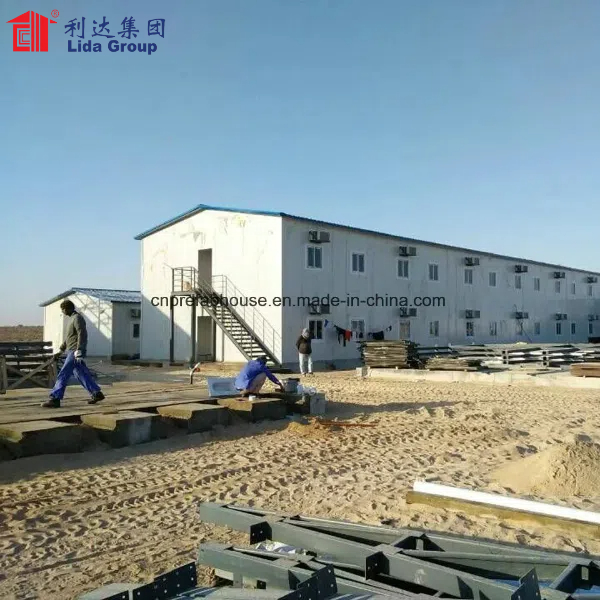
The off-site manufacturing process of prefabricated houses allows for rapid deployment. Unlike traditional construction, which can take months to complete, prefab homes can be assembled on-site in a matter of weeks. This speed is crucial for industries that operate under tight deadlines, enabling companies to provide housing for workers quickly and efficiently.
4. Quality Control
Prefabricated houses are built in controlled environments, which allows for better quality control compared to traditional construction. The use of standardized materials and processes minimizes defects and ensures that each unit meets safety and quality standards. This focus on quality is essential for worker safety and satisfaction.
5. Enhanced Worker Welfare
Worker welfare is a critical consideration for employers, particularly in industries with high turnover rates or demanding working conditions. Comfortable and safe living environments can significantly impact employee satisfaction, productivity, and retention. Prefabricated houses contribute to worker welfare in several ways:
- Personal Space: Providing individual or shared sleeping quarters allows workers to have personal space, which is essential for mental well-being. This sense of privacy helps reduce stress and fosters a feeling of security.
- Access to Amenities: Many prefabricated units come equipped with essential amenities such as bathrooms, kitchens, and laundry facilities. Access to these conveniences enhances the overall quality of life for workers.
- Community Spaces: The inclusion of communal areas for dining, recreation, and socialization fosters a sense of community among workers. These shared spaces help alleviate feelings of isolation and promote camaraderie.
6. Sustainability and Environmental Responsibility
In today’s environmentally conscious world, the sustainability of housing solutions is paramount. Prefabricated houses offer several environmental benefits:
- Reduced Waste: The manufacturing process of prefab homes generates less waste compared to traditional construction methods. Materials are pre-cut and measured, minimizing excess.
- Eco-Friendly Materials: Many prefabricated houses are constructed using sustainable materials, such as recycled steel and environmentally friendly insulation.
- Energy Efficiency: Prefab homes can be designed with energy-efficient features, such as high-quality insulation, solar panels, and efficient heating and cooling systems. These features not only reduce the environmental impact but also lead to lower utility costs for occupants.
Case Studies: Successful Implementation of Prefabricated Houses
1. Mining Industry
In a remote mining operation, a company faced challenges in providing adequate housing for its workforce. Traditional construction methods were impractical due to logistical issues and harsh environmental conditions. The company turned to prefabricated housing solutions.
The implementation of prefabricated houses included private sleeping quarters, communal kitchens, and recreational areas. The improvement in living conditions led to increased worker satisfaction and productivity. Workers reported feeling more secure and comfortable, which translated to better performance on the job.
2. Construction Projects
A large construction firm engaged in a major infrastructure project required immediate housing solutions for its workers. By utilizing prefabricated houses, the firm was able to set up a labor camp within weeks. The customizable options allowed for the integration of kitchens, dining areas, and communal spaces, significantly enhancing living conditions.
Worker satisfaction improved markedly, resulting in higher levels of engagement and productivity on-site. The ability to adapt the labor camp to changing workforce sizes throughout the project was a key factor in the firm’s success.
3. Agricultural Labor Camps
In the agricultural sector, a cooperative needed to provide temporary housing for seasonal workers during peak harvest times. Prefabricated houses were deployed, allowing the cooperative to quickly establish housing that could be easily expanded or relocated as needed. The positive impact on worker satisfaction was evident, resulting in increased productivity during the critical harvest period.
Addressing Challenges in Prefabricated Housing Integration
1. Regulatory Compliance
While prefabricated housing offers numerous advantages, navigating local building codes and regulations can pose challenges. Companies must work closely with local authorities to ensure that all units meet necessary compliance standards, facilitating a smoother deployment process.
2. Initial Investment
Although prefabricated houses can lead to long-term savings, the initial investment may be a concern for some companies. However, it is crucial to consider the total cost of ownership, including maintenance and energy savings. Often, the long-term benefits far outweigh the initial costs.
3. Cultural Sensitivity
In regions with diverse cultural backgrounds, it is essential to consider the needs and preferences of the workforce when designing housing solutions. Prefabricated houses can be adapted to respect local customs and practices, ensuring that living spaces are suitable for all workers.
The Future of Prefabricated Housing in Labor Camps
As the demand for efficient and sustainable housing solutions continues to grow, prefabricated houses are expected to play an increasingly important role in labor camp architecture. Innovations in construction technology, materials, and design practices will further enhance the appeal of these units.
Technological Advancements
The integration of smart technology into prefabricated housing is an emerging trend. Features such as intelligent climate control, energy management systems, and advanced security measures can improve the living experience for workers while promoting sustainability.
Global Demand
As industries worldwide seek to improve living conditions for transient workers, the global demand for prefabricated housing solutions is expected to rise. Companies that embrace these innovative housing solutions will not only enhance their operational efficiency but also demonstrate their commitment to worker welfare and sustainability.
Conclusion
Prefabricated houses represent a significant advancement in labor camp accommodation, addressing many of the challenges faced by traditional solutions. By prioritizing flexibility, cost-effectiveness, and sustainability, these innovative structures enhance the living conditions for workers, contributing to improved morale, productivity, and overall job satisfaction. As industries continue to evolve, the advantages of prefabricated housing will become increasingly evident, paving the way for a future where affordable and comfortable living is accessible to all workers. Embracing prefabricated housing is not just a strategic business decision; it is a commitment to enhancing the quality of life for workers and promoting a more sustainable future in labor management. By investing in these innovative solutions, companies can create environments that support their workforce while aligning with global sustainability goals, ultimately shaping a better future for labor camps worldwide.
Contact Us
Post time: Dec-26-2024